

How Quality Control Works in the Indian Furniture Industry
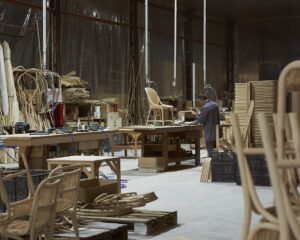
When you’re sourcing furniture from India, making sure the products meet both your standards and your customers’ expectations is crucial. That’s where quality control in the furniture industry makes a difference. India is well-known for its beautifully handcrafted wooden furniture, but beyond the craftsmanship, what truly matters is consistency, durability, and reliable quality, every single time.
In this blog, we’ll explain how quality control works in the Indian furniture industry, what buyers should know, and how trusted sourcing partners like UA Consultants help make the process smooth and reliable.
Why Is Quality Control So Important in Furniture Sourcing?
Whether you’re an importer, retailer, or designer working on a project, poor-quality furniture can lead to delays, customer complaints, and heavy losses. Furniture is not just about looks—it’s also about strength, finish, durability, and safe packaging.
When sourcing from another country like India, you don’t have the luxury of checking every piece yourself. That’s where quality control steps in to ensure that what you ordered is exactly what you receive.
Common Quality Challenges in Indian Furniture
The Indian furniture industry blends modern manufacturing with traditional craftsmanship. While this results in beautiful, unique pieces, it can also create a few quality-related challenges, especially when the manufacturer isn’t experienced in exports.
Some of the common problems include size differences, inconsistent polish or color, weak joints, and improper wood seasoning. Sometimes, poor packaging also leads to damage during transport.
But with the right controls in place, these issues can be easily avoided.
How Quality Control is Done in Indian Furniture Manufacturing
Quality control in Indian furniture manufacturing usually starts right from the selection of raw materials. The type of wood — like Sheesham, Mango, Acacia, or Teak—must be well-treated, properly seasoned, and defect-free.
During the production stage, regular inspections help identify and fix any problems early. These checks include verifying measurements, wood moisture levels, joint strength, sanding smoothness, and surface finish.
Before the final packaging, a complete inspection is done to check the entire piece, not just visually, but also for strength and stability. For export orders, companies may also perform tests like load-bearing capacity, drop tests for packaging, and surface resistance.
Certifications and Standards That Matter
If you are dealing with global customers or large retailers, certifications become important. Many Indian manufacturers today follow ISO standards and offer products made from FSC® certified wood. Office and commercial furniture may follow BIFMA standards for durability and safety.
Buyers can also provide their own quality guidelines or specs, and Indian factories (with the right support) can align with those.
How UA Consultants Helps Ensure Quality
At UA Consultants, we don’t just help you find the right furniture manufacturer—we take full responsibility for quality control, too.
Our team conducts detailed inspections at different production stages. We work closely with manufacturers to make sure your expectations are clearly understood and followed. You’ll receive inspection reports, photographs, and regular updates so you stay informed at every step.
We also conduct factory audits before finalizing a supplier, check for ethical compliance, and verify material sourcing if needed.
With us, you get full visibility and control without being physically present in India.
How Buyers Can Ensure Quality While Sourcing from India
Working with experienced sourcing agents is one of the best ways to reduce risks. Define your quality expectations clearly, ask for pre-shipment inspection reports, and verify packaging methods.
Don’t just focus on price—also check the supplier’s past export experience and ability to meet your standards consistently.
Final Thoughts
India is a global leader in handmade and wooden furniture, offering great value for both small and large orders. But to make the most of this opportunity, quality control must be a priority, not an afterthought.
With the right process and the right partner, you can confidently source top-quality furniture from India that matches international standards and leaves your customers impressed.
If you’re planning to source furniture from India and want help with factory selection, production monitoring, and quality control, UA Consultants is here to support you every step of the way.
Frequently Asked Questions
Q1. Why is quality control important when sourcing furniture from India?
Quality control makes sure the furniture you get is the right size, has a good finish, is strong, and well-made. It helps avoid defects, shipping damage, and customer complaints, saving you time and money.
Q2. What are the most common quality issues in Indian furniture manufacturing?
Manufacturers often make mistakes like wrong sizes, bad polish, weak joints, cracked wood, and poor packaging. Quality control helps fix these problems.
Q3. How do Indian furniture manufacturers ensure product quality?
Quality control starts by choosing good, well-seasoned wood. During production, the team checks size, moisture, joint strength, smooth finish, and sanding. Before shipping, they inspect the furniture for strength and packaging quality and do drop tests for exports.
Q4. Can I provide my quality specifications to Indian manufacturers?
Yes, you can provide detailed quality guidelines, including material specifications, finish standards, and packaging requirements. UA Consultants clearly explains your guidelines to the manufacturer and makes sure they follow them.
Q5. What are pre-shipment inspection reports, and why are they necessary?
Inspectors check the goods and prepare a detailed report before shipping. They verify that the final products meet the buyer’s quality expectations and order specifications. These reports help detect any last-minute issues, reducing the risk of receiving defective goods.